WWII Japanese fleet at Coron, SS Thistlegorm in the Red Sea — history with marine life on top.
2 destinations across Red Sea, SE Asia — peak seasons vary by location, so plan your trip around the right destination AND the right month.
 Tier 3
WWII Wrecks here: Mar–May, Sep–Nov · 40 sites
 Tier 3Coming soon
WWII Wrecks here: Jan–May, Nov–Dec · 20 sites
Sightings vary by destination. The heatmap below shows where wrecks are most likely each month.
4 bookable trips · all SSI+PADI affiliated · zero agency fee
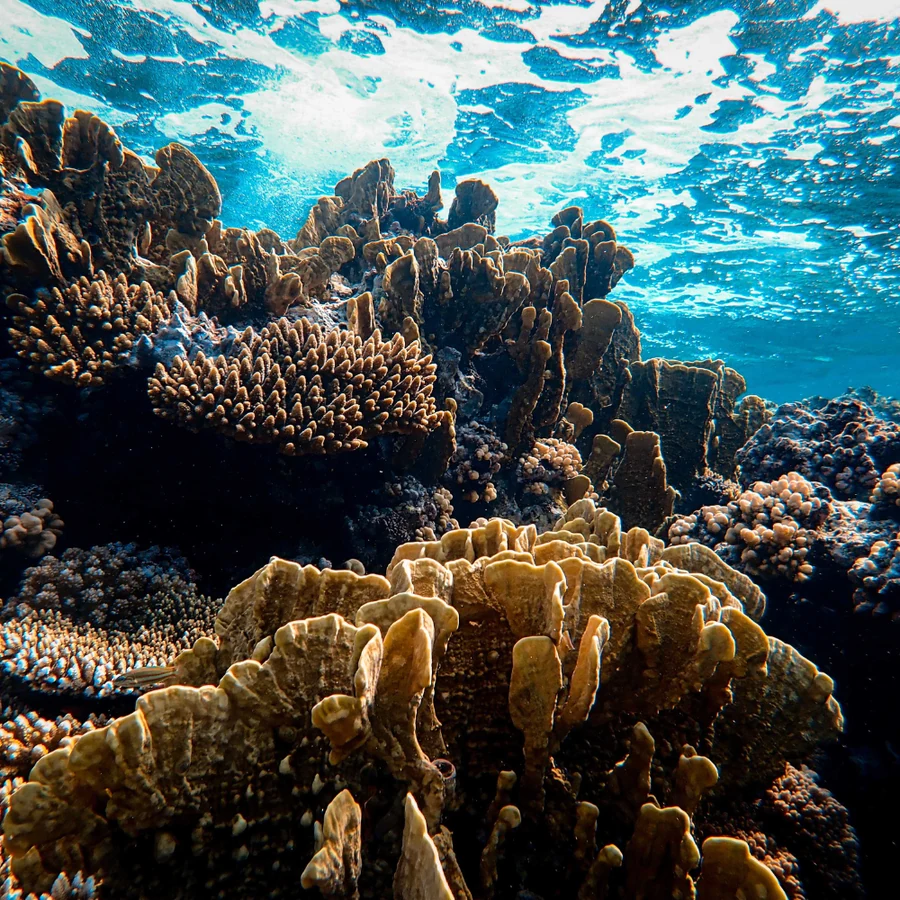
Wreck diving combines history with biology — the largest concentrations of WWII-era ships sit on tropical reefs and have become artificial reefs themselves. Penetration is possible on many; even external swims are atmospheric.
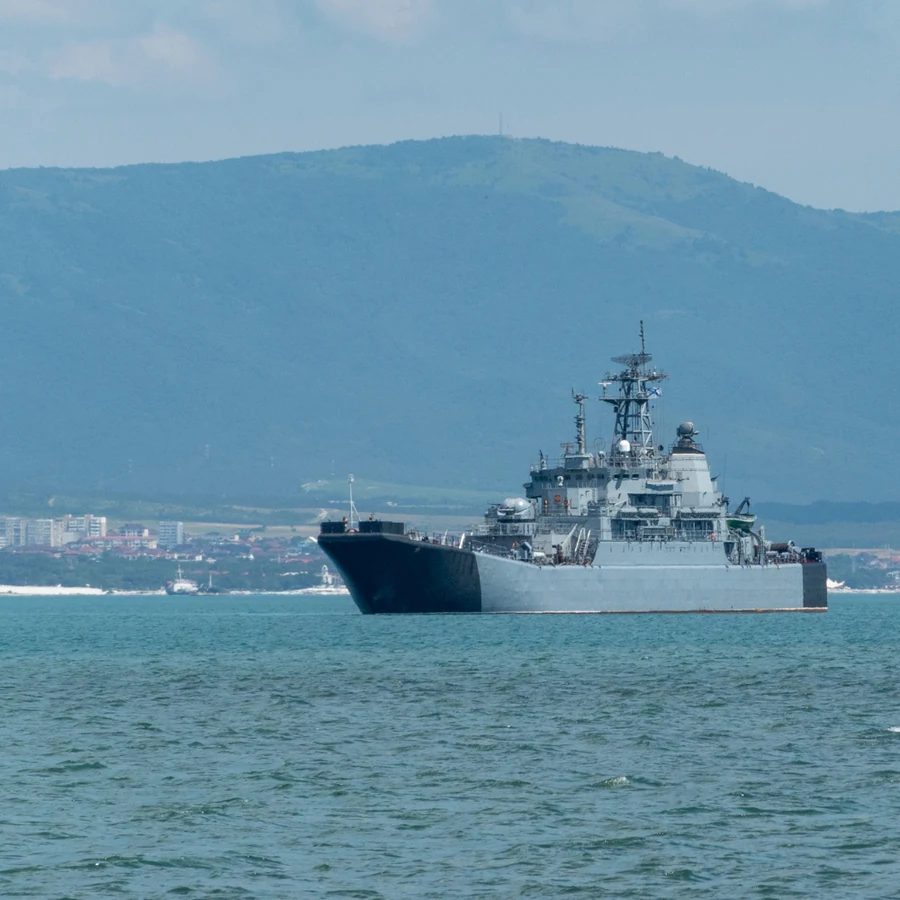
Coron Bay (Philippines) holds 12+ Japanese supply ships sunk in 1944, depths 15–40m, several still cargo-loaded. The Red Sea's SS Thistlegorm (Egypt, sunk 1941) is arguably the world's best wreck dive — motorbikes, trucks, ammunition still in the holds.
Wreck specialty cert is needed for safe penetration. Without it, external swims still deliver — circle the hull, look in cargo holes from outside, observe the marine life that's colonised the steel.
Tell us when you can travel and your certification level — we'll match the right destination, the right season, and the right trip for diving with wrecks.
Chat With a Dive Pro on WhatsApp →