World's largest rays — gliding through cleaning stations like silent ghosts.
8 destinations across Indian Ocean, SE Asia — peak seasons vary by location, so plan your trip around the right destination AND the right month.
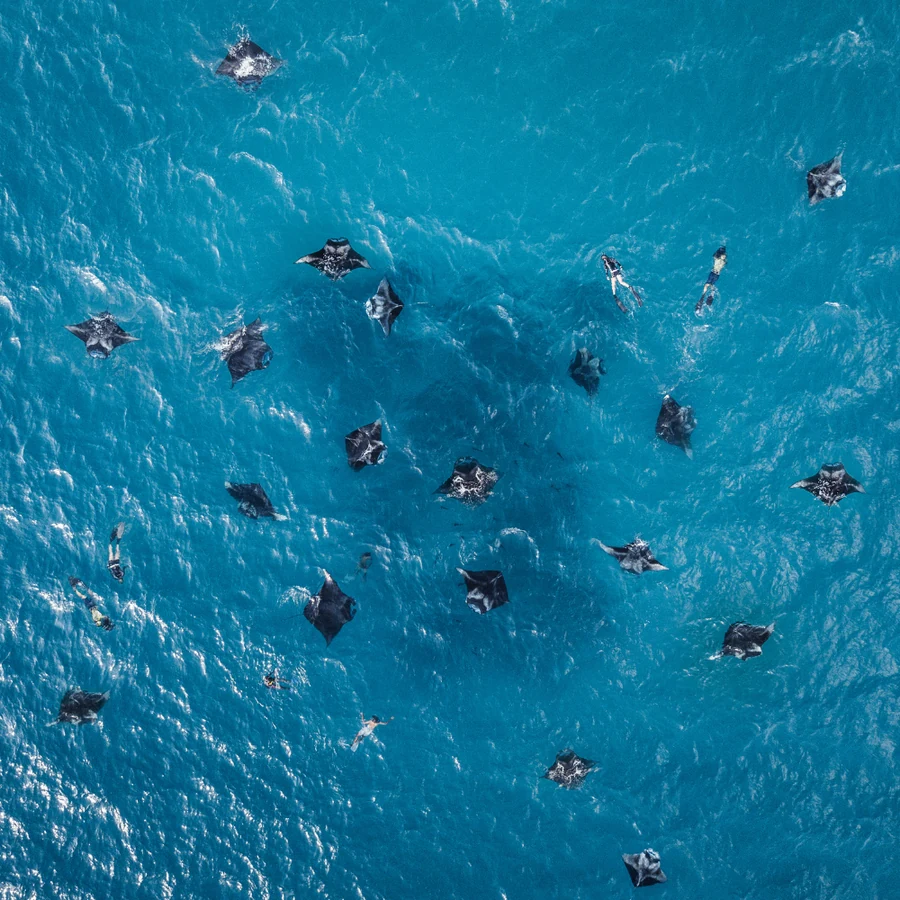 Tier 1
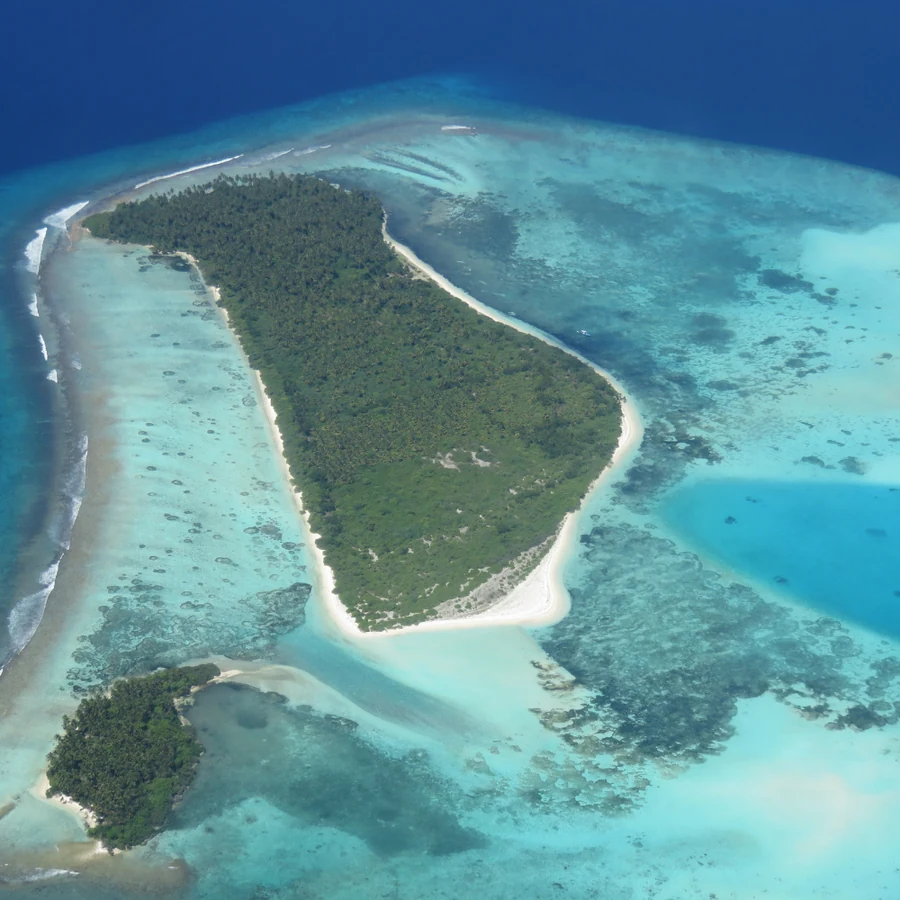
Manta Rays here: Jun–Nov · 50 sites
 Tier 2
Manta Rays here: Feb–Apr · 30 sites
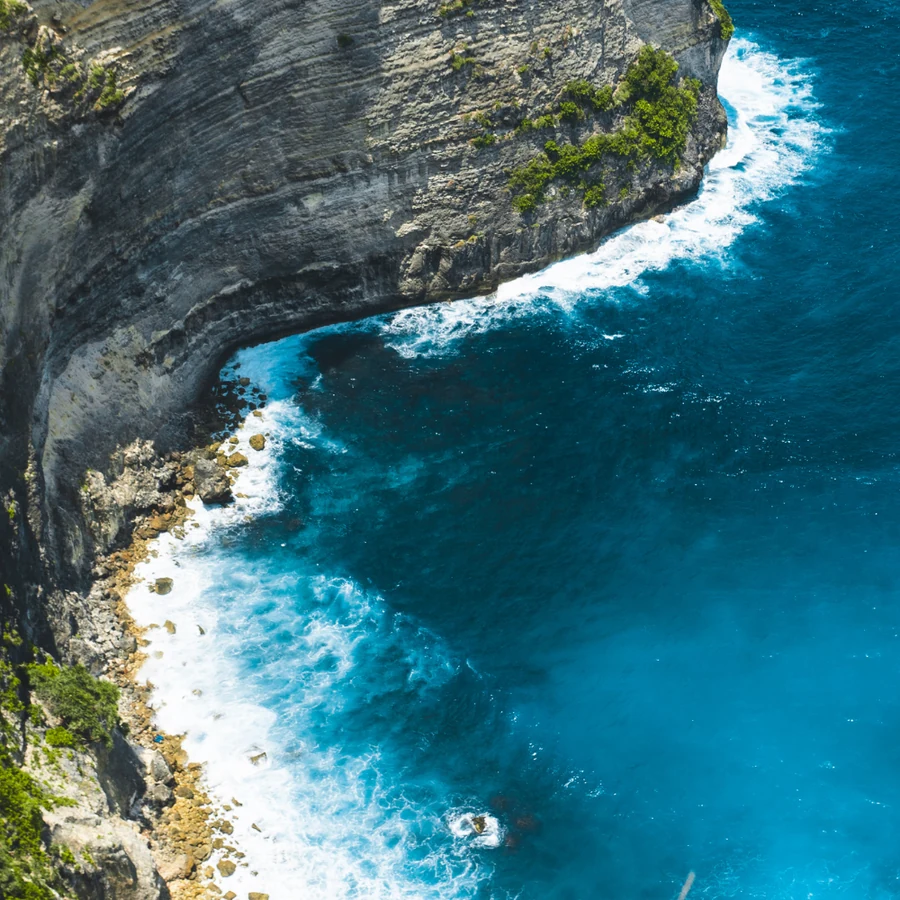 Tier 1
Manta Rays here: Jul–Nov · 35 sites
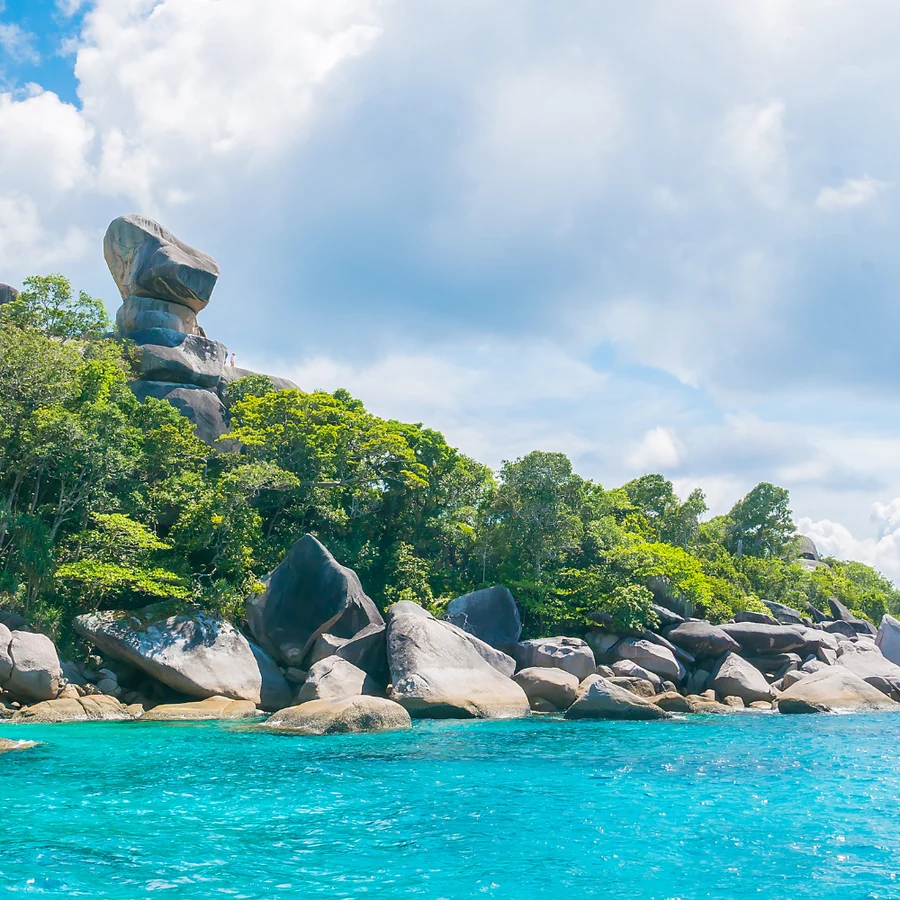 Tier 1
Manta Rays here: Jan–Apr, Nov–Dec · 40 sites
 Tier 2
Manta Rays here: Jun–Sep · 25 sites
 Tier 3
Manta Rays here: Jan–Feb, Dec · 40 sites
 Tier 4Coming soon
Manta Rays here: Apr–May, Sep–Nov · 30 sites
 Tier 4Coming soon
Manta Rays here: Jan–Apr, Oct–Dec · 50 sites
Sightings vary by destination. The heatmap below shows where manta rays are most likely each month.
16 bookable trips · all SSI+PADI affiliated · zero agency fee

Manta rays are the gentle giants of the reef — filter-feeding plankton specialists with up to 5-metre wingspans. Despite their size they're harmless, often curious, and can recognise individual divers across multiple encounters.
The best encounters happen at cleaning stations — coral outcrops where mantas hover while small wrasse pick parasites off their skin. Hover 5 metres below the station, breathe slowly, and you'll often have several mantas circling above you for the entire dive.
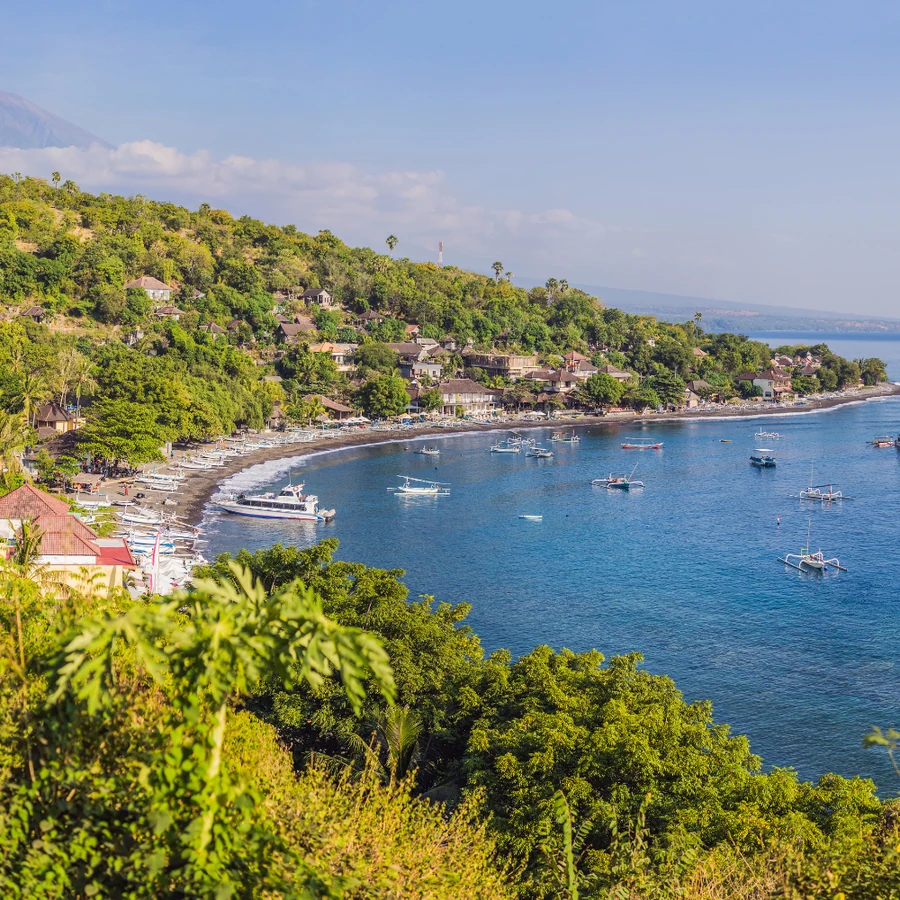
In Indo-Pacific waters they're reliable Jun–Nov in the Maldives, Dec–Feb in Komodo (peak), and year-round at Bali's Manta Point with strongest sightings Jul–Oct.
Tell us when you can travel and your certification level — we'll match the right destination, the right season, and the right trip for diving with manta rays.
Chat With a Dive Pro on WhatsApp →