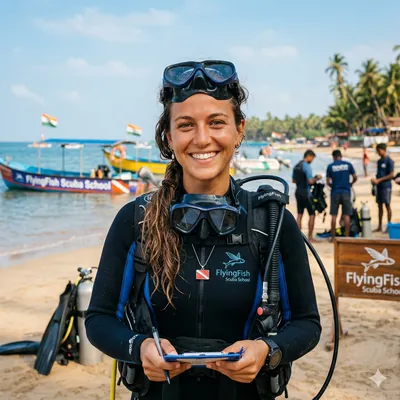
World's largest fish. Plankton-feeders the size of school buses, harmless and unforgettable.
7 destinations across Indian Ocean, SE Asia, Middle East — peak seasons vary by location, so plan your trip around the right destination AND the right month.
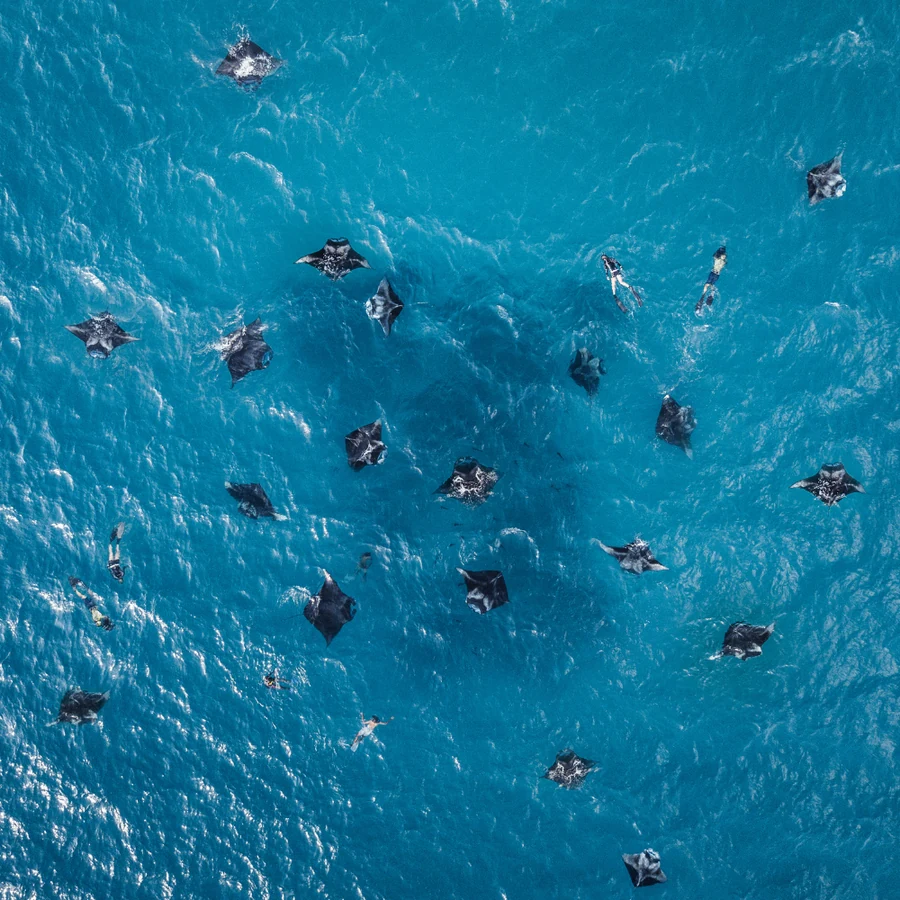 Tier 1
Whale Sharks here: May–Nov · 50 sites
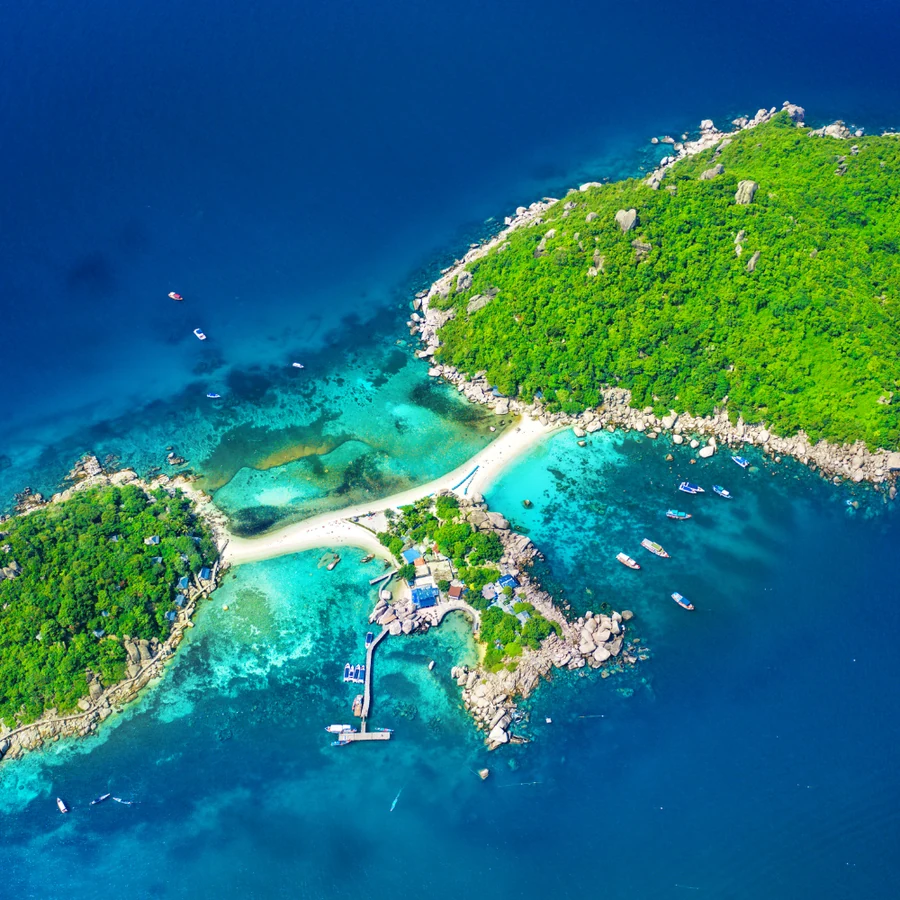 Tier 1
Whale Sharks here: Mar–Jun · 25 sites
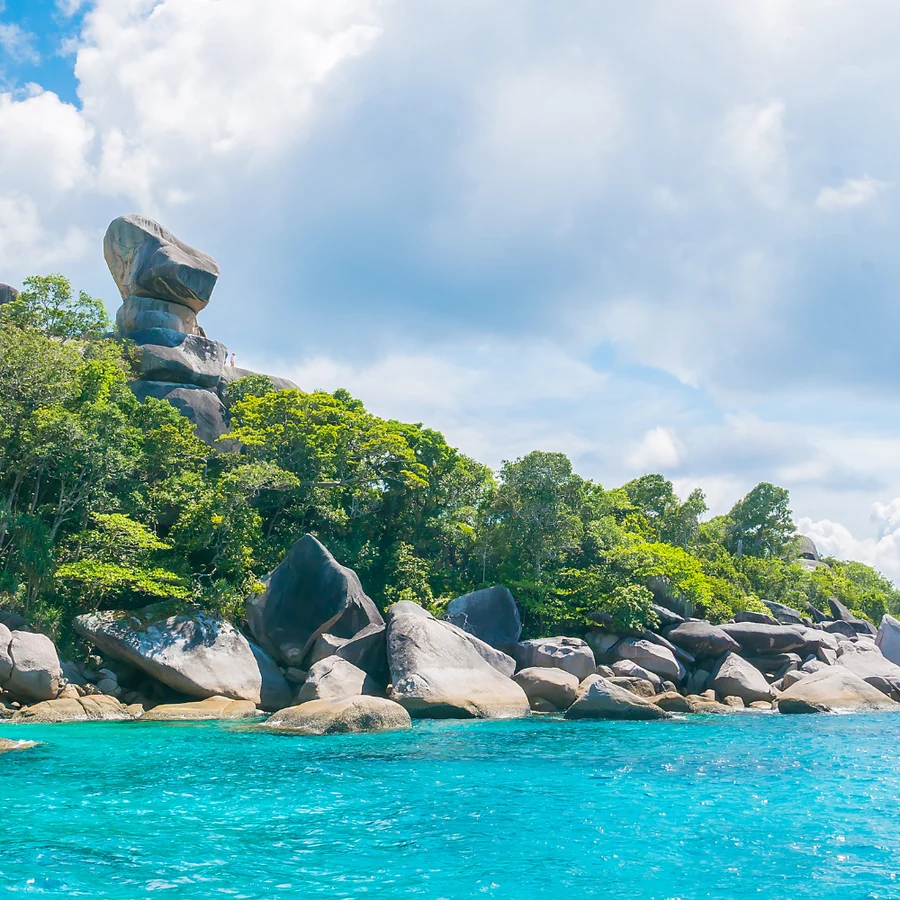 Tier 1
Whale Sharks here: Feb–Apr · 40 sites
 Tier 1
Whale Sharks here: Mar–Apr · 20 sites
 Tier 2
Whale Sharks here: Jan–May, Dec · 30 sites
 Tier 2
Whale Sharks here: Jul–Oct · 20 sites
 Tier 4Coming soon
Whale Sharks here: Sep–Nov · 30 sites
Sightings vary by destination. The heatmap below shows where whale sharks are most likely each month.
16 bookable trips · all SSI+PADI affiliated · zero agency fee
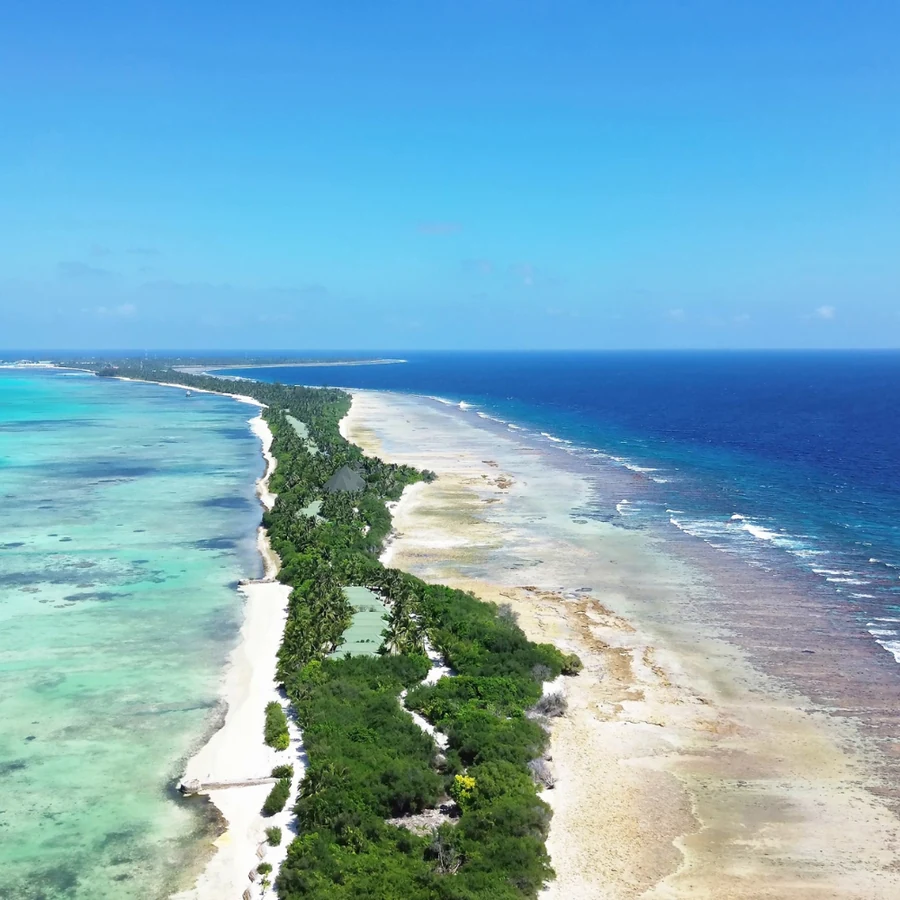
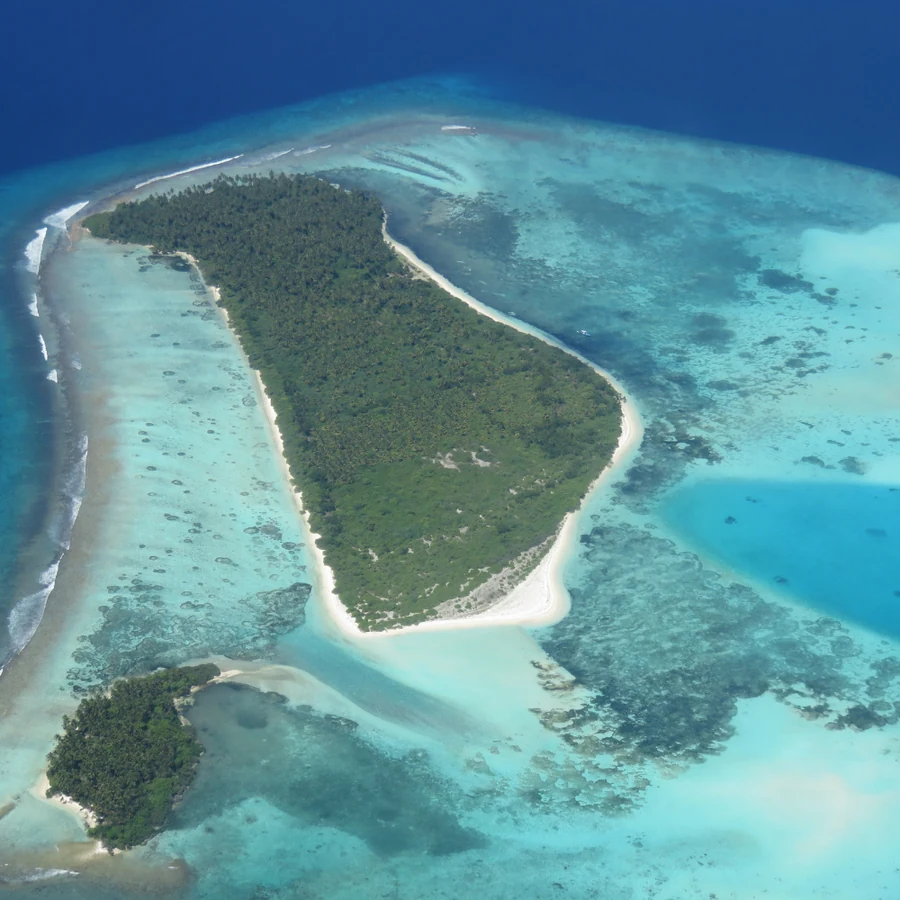
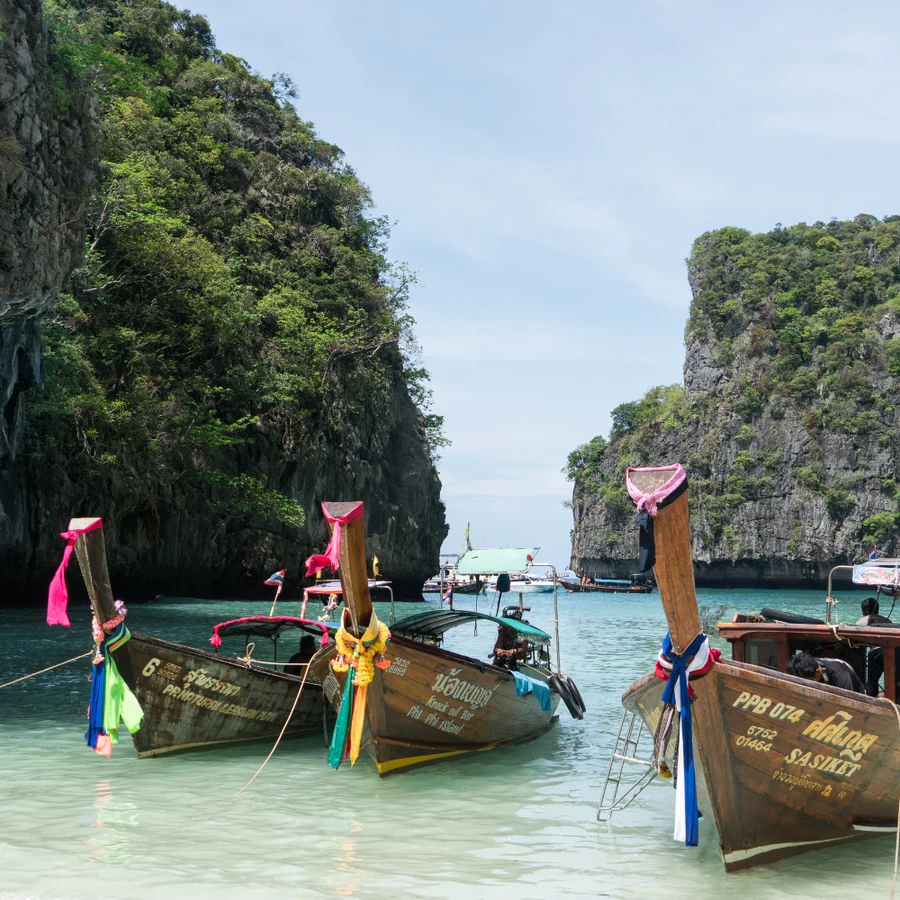
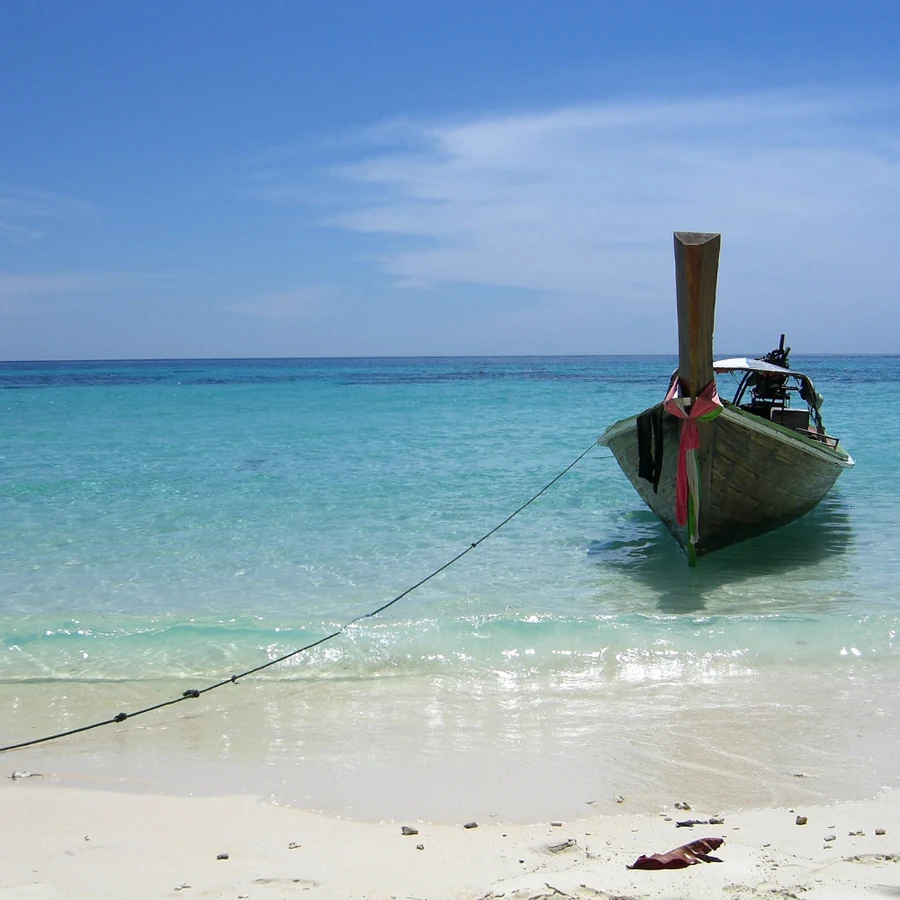
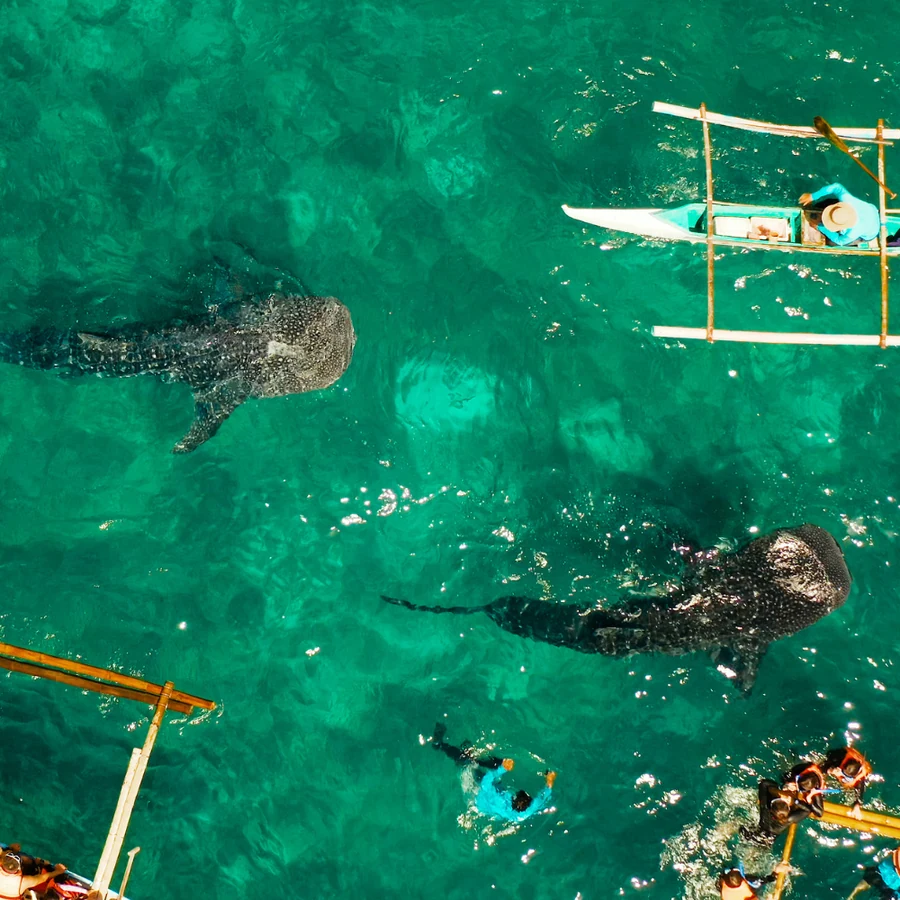
Whale sharks are the largest fish in the ocean — slow-moving filter-feeders that can grow to 18 metres. They're entirely harmless to humans, often curious, and patient enough that snorkellers and divers can swim alongside them for several minutes.
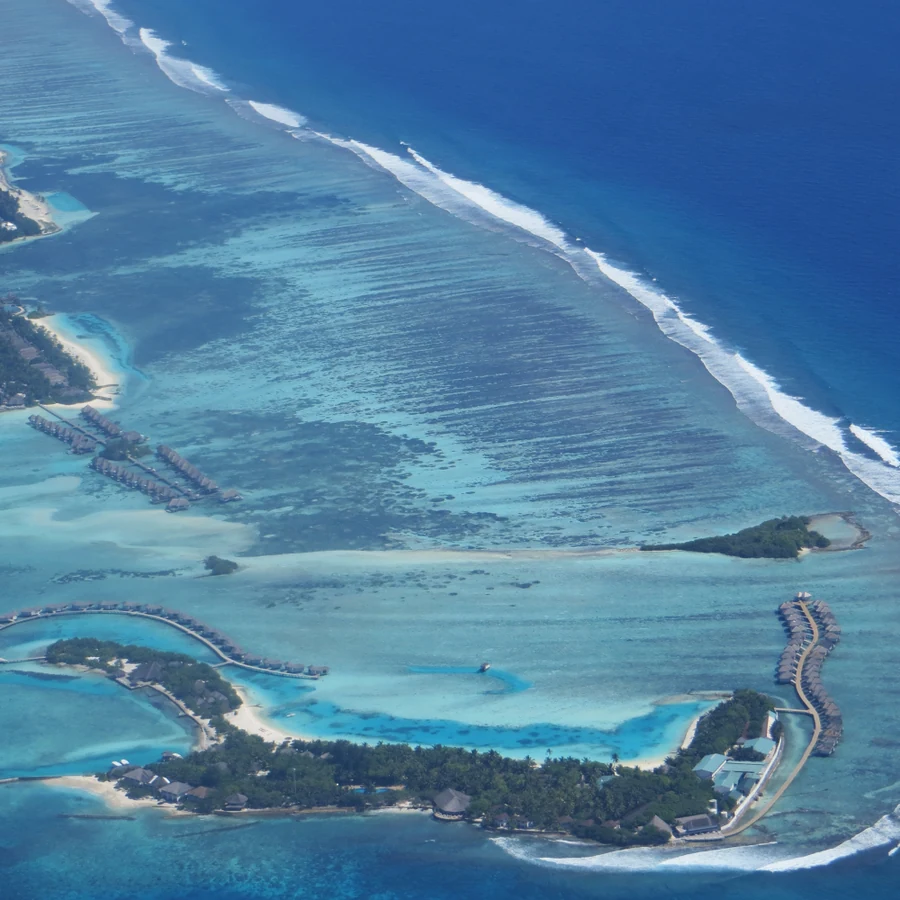
They follow plankton blooms, so timing matters: Maldives South Ari Atoll year-round but stronger May–Nov, Cebu's Oslob has daily encounters year-round (controversial — they're fed), Oman's Daymaniyat Islands are pristine Jul–Oct.
Encounters typically happen at the surface or shallow reefs — open water, not on reef, so good buoyancy and a reef hook are unnecessary. Just maintain distance, never touch, and swim alongside not in front.
Tell us when you can travel and your certification level — we'll match the right destination, the right season, and the right trip for diving with whale sharks.
Chat With a Dive Pro on WhatsApp →